Where does a Thayne farmer sell lettuce in January?
For most of the past decade, the answer in Jackson was a handful of winter market dates and a long drive. Shelby Belote sits on the board of the Jackson Hole Farmers Market and has worked with local food producers for about ten years. She kept hearing the same thing from farmers: having almost nowhere to sell over the winter made it hard to keep a farm going. "All I did was listen to them," she told the Jackson Hole News&Guide.
What she built is The Farm Jackson Hole, a nonprofit market in the historic Miller House at 211 E. Broadway Ave., on the corner of Bruun Boulevard. Its website says it opens this month. It is easy to think of it as a grocery store for people who miss Saturday on Town Square. The way it is set up says something else. The Farm was designed around the farmers' winter first, and almost everything a shopper will notice there follows from that.
The Gap That Opened on Sept. 26
Jackson's two summer markets have already wrapped up. The next regular chance to buy straight from a producer is almost two months away.
Market | 2026 summer season | What's next |
|---|---|---|
Jackson Hole Farmers Market, Town Square | Saturdays, June 20 to Sept. 26, 8 a.m. to noon | Winter 2026–27 dates not yet posted |
People's Market, Center for the Arts lawn, 265 S. Cache St. | Wednesdays, June 3 to Sept. 23, 4 to 7 p.m. | Winter dates 11/21, 12/5, 1/2, 2/6, 3/6 |
Slow Food in the Tetons runs the People's Market, and it has five winter dates. The first two, Nov. 21 and Dec. 5, are two weeks apart. After that, the gaps stretch to four or five weeks. The Jackson Hole Farmers Market's schedule page still lists last winter's series, December 2025 through March 2026. It has not posted dates for this winter yet. For a shopper, that means a few Saturdays a season. For a farmer, it means a few paydays a season. The Farm is meant to fill that gap from both sides, and the producers asked for it first.
A Shop Planned From the Loading Area Out
Belote looked for a building for four or five years. The deciding factor was not foot traffic. The building had to be big enough for real cold storage. "For farmers to be able to access Jackson, some of them are driving eight hours round trip," she told the News&Guide. "For them to do that, they need to be able to drop for a substantial amount of time."
You can see that in where the grant money went. In February, according to Buckrail, the organization received funds from the Wyoming Department of Family Services and Food Works Group through the Wyoming Aggregation and Distribution Grant Program. The money is expected to pay for:
- walk-in cold storage and freezer rooms
- commercial refrigeration and freezer units
- receiving and aggregation equipment
- a paved producer receiving area
- point-of-sale technology
Only the last item is something a customer will ever touch. The News&Guide separately reported grants from the Teton Conservation District and the Department of Family Services. Belote has raised $1 million to cover the equipment plus three years of overhead.
The building does a second job most shoppers will never see. Buckrail describes the 4,000- to 5,000-square-foot house as a distribution hub. Food comes in from across western Wyoming, gets stored and sorted, and then goes back out. The retail floor is one part of a building whose main job is moving food through the valley in the months when the markets are closed.
The house has its own story. The Quinn Hill Foundation bought and preserved the Miller House to give local food a permanent home. The building most recently housed Wyoming Title and Escrow.
Why the 90 Percent Share Matters
The Farm runs on consignment. It keeps a 10% commission and pays the other 90% to the producer. Belote told Buckrail that producers usually keep about 70% of revenue at other local markets. On every $100 of greens, that is roughly $20 more going back to the farm.
That share matters because of what farmers do with it. Belote said a year-round store gives farmers, ranchers and producers steadier, more predictable revenue, so they can plan and invest. A big greenhouse can be a 30-year decision, and one summer's sales won't come close to paying for it.
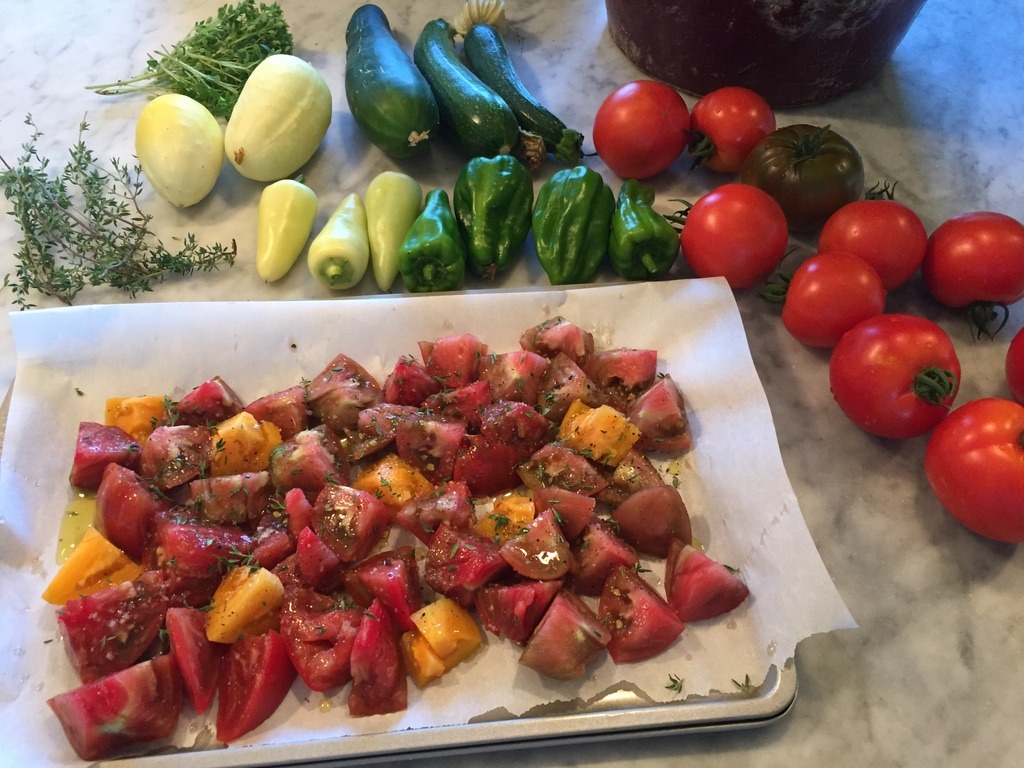
Haderlie Farms in Thayne shows how that works. A few years ago, Belote helped build a greenhouse there. She saw it as an early investment toward The Farm, because a longer growing season was a must. Last winter the greenhouse grew mostly greens, and customers at the winter farmers markets bought lettuce, kale, arugula and scallions. Curtis Haderlie told Buckrail the next experiment is tomatoes: "Tomatoes are incredibly popular with customers, and so we're going to see if we can grow tomatoes through the extended season."
The shop also cuts down on driving. Haderlie said that if customers can stop by whenever it suits them, the family farm can spend fewer hours driving to meeting points to drop off produce and pick up compost. Haderlie is the only participating farm named in published coverage so far. The Farm says more than 50 farmers, ranchers and producers have signed on. The two outlets describe the supply area a little differently. The News&Guide says six Wyoming counties and two in Idaho. Buckrail says contracts with 50 businesses across six western Wyoming counties.
What Shopping There Will Be Like
A store built for farmers runs on the farmers' calendar, and Belote has been direct about that. Products come and go with the seasons. "There will be months that you'll be showing up at The Farm and you cannot source a specific product," she told the News&Guide. "That is how food is truly grown."
Prices will run a little higher than at a grocery store. Philanthropy will cover part of the difference. Belote's reasoning is that people who want to support local farmers will pay a bit more because the money supports working lands. The store will also accept SNAP benefits.
The shelves will include more than produce. The News&Guide lists meat, cheese, fermented foods and baked goods. Buckrail reports The Farm will be the first year-round, brick-and-mortar store in Teton County to operate under the Wyoming Food Freedom Act. That is the state's cottage law, which allows homemade and uninspected products to be sold and eaten.
The farmers also asked for a classroom, and the building will have one for producer-led classes and workshops on how food is grown. "Our goal is to strengthen local agriculture by creating this farm shop," Belote told Buckrail, "so that our farmers, food, and community can connect to each other through access, education and collaboration."
Before You Stop By
- Where: 211 E. Broadway Ave., at Bruun Boulevard
- Hours: to be announced
- Opening: "Opening October 2026," according to The Farm's website, with no specific day announced. In August, Buckrail reported the opening would come once all formal approvals were in place. Check thefarmjh.org before making a trip.
- Next People's Market: Nov. 21, the first of its five winter dates
If The Farm opens on schedule, the stretch between the last Town Square market and the first winter People's Market will have something new in it. Last winter, a Thayne greenhouse had lettuce, kale, arugula and scallions ready for the winter markets. For more on everyday life in town, our Jackson lifestyle guide covers the rest of the valley's calendar.
At The Legacy Group, we pay attention to how the valley's working lands reach the people who live here, from ranch parcels in Teton County to a preserved house on Broadway. Thinking about living within walking distance of places like this? Call The Legacy Group at 307.739.8020, and we'll talk through which parts of the valley fit the way you want to live.